Concrete is reinforced because it is very strong when squeezed but weak when pulled or bent. Its tensile strength is only about a tenth of its compressive strength, so a slab, beam or wall that bends under load or shrinks as it dries will crack. Steel bars, welded wire or fibers carry that tension, hold cracks tight and, in structural work, let the concrete carry loads it could never carry alone.
What reinforcement does and does not do
Reinforcement does not stop concrete from cracking. Concrete shrinks as it dries, and it will crack somewhere. What reinforcing steel does is keep those cracks tight and keep the pieces working together, so a cracked slab still carries its load and a crack stays a hairline instead of opening and shifting. In footings, walls and beams, steel is what gives the member its structural strength in the first place.
Types of reinforcement
Rebar
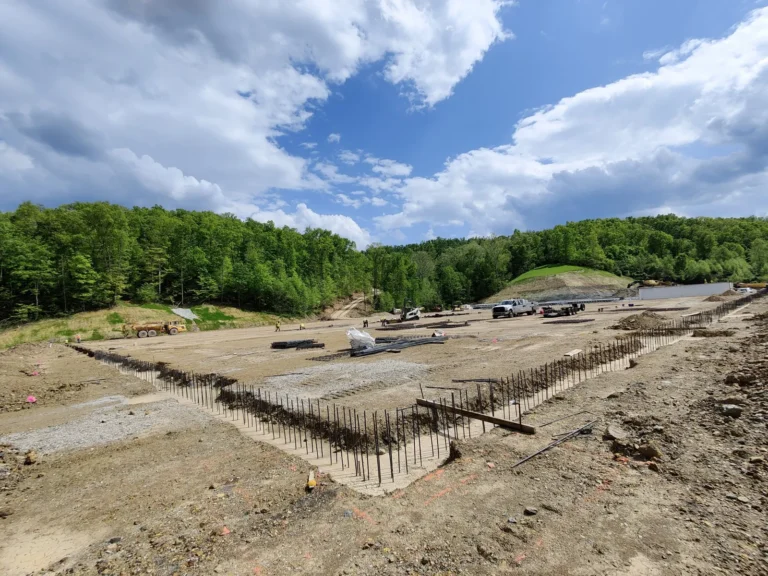
Deformed steel bars, placed in a grid or along the length of a member. Rebar is the structural reinforcement in footings, foundation walls, grade beams, columns and elevated slabs, where the engineer sizes the bars and spacing for the loads. It has to sit at the right depth, on chairs or supports, with the specified concrete cover around it.
Welded wire reinforcement
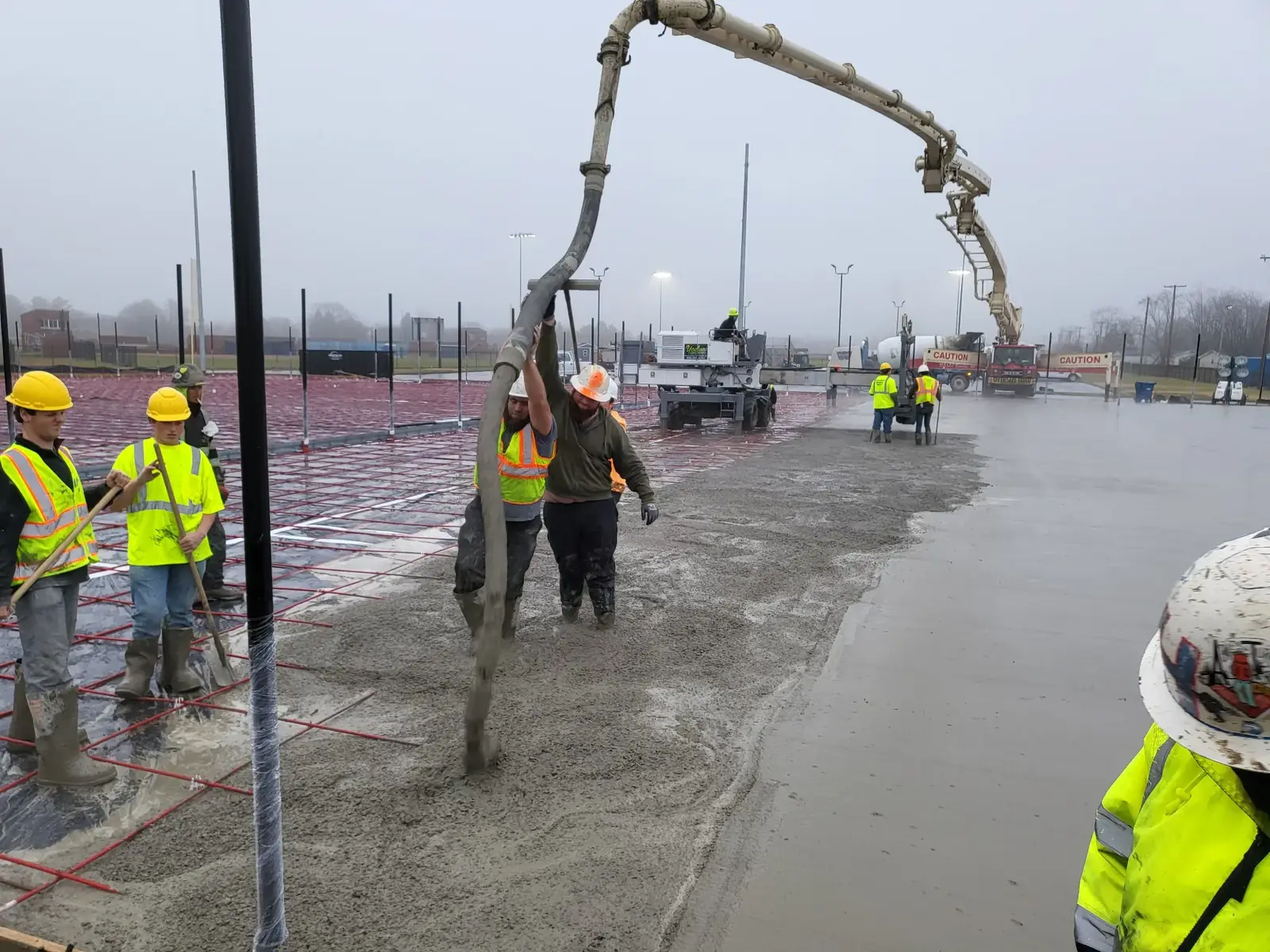
Steel wire welded into a grid and supplied in sheets or rolls. It is used in slabs on grade to control crack width. It only works if it ends up in the right place in the slab, usually in the upper half, which means supporting it on chairs. Wire laid on the ground and pulled up with a hook during the pour usually ends up at the bottom, where it does little.
Fibers
Steel or synthetic fibers mixed into the concrete. Small synthetic fibers mainly reduce plastic shrinkage cracking in the first hours. Larger macro-synthetic and steel fibers add real post-crack strength and are used in some industrial slabs in place of wire. People often search for fiber mesh concrete; that usually means synthetic fibers in the mix, not a mesh laid in the slab.
Post-tensioning
High-strength steel tendons tensioned after the concrete hardens, squeezing the slab so it stays in compression. It is used for some very large joint-free floors and elevated slabs.
Where each is used
| Element | Usual reinforcement |
|---|---|
| Footings and foundation walls | Rebar, designed by the engineer |
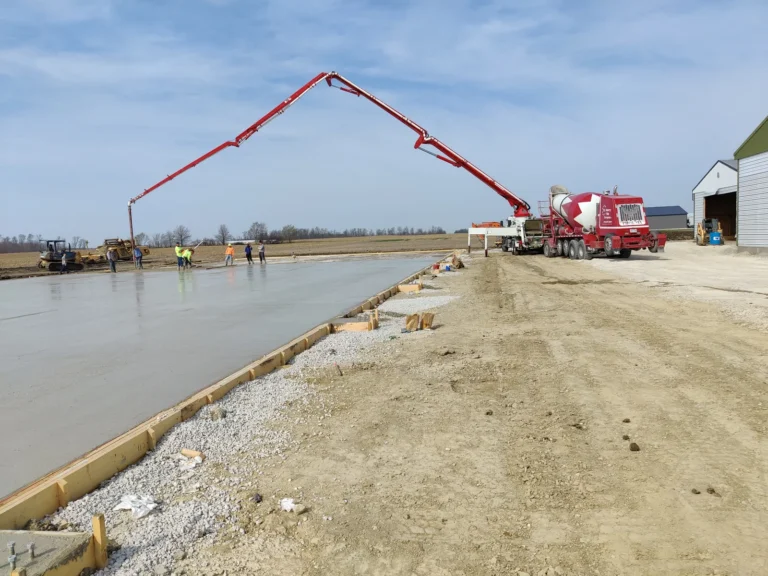
| Warehouse slab on grade | Unreinforced with close joints, wire or bars for crack control, or fibers, depending on the design |
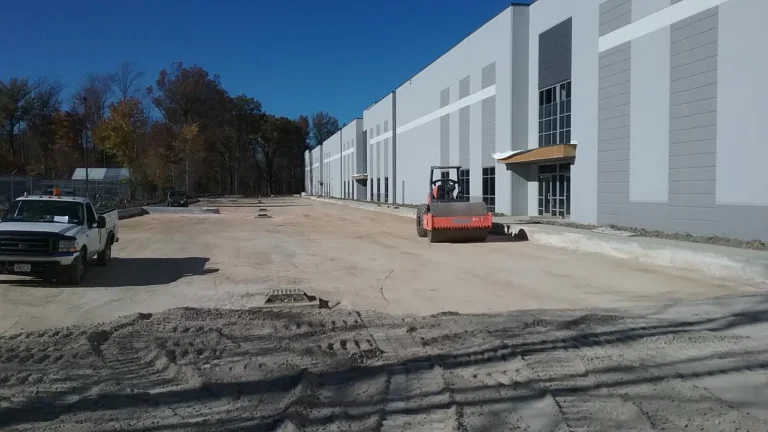
| Parking lots | Often unreinforced and jointed, with dowels in truck areas |
| Elevated slabs and beams | Rebar or post-tensioning |
What else makes concrete stronger
Reinforcement is one part of it. The concrete itself gets stronger and more durable through:
- A lower water-cement ratio. Less water for the same cement gives a denser, stronger paste. Adding water on site to make concrete easier to place weakens it.
- Proper consolidation. Vibrating the concrete removes trapped air pockets around the steel.
- Curing. Keeping the concrete moist and warm for at least the first week lets it reach its design strength. See how long concrete takes to cure.
- The right admixtures. Water reducers improve workability without extra water, and air entrainment protects exterior concrete from freeze-thaw damage.
Reinforcement and lifespan
Steel that is placed with enough concrete cover stays protected for decades. When cover is too thin or the concrete is poor, water and salt reach the steel, it rusts and expands, and the concrete over it cracks and spalls. Our post on how long reinforced concrete lasts goes into that.
Building footings, walls or slabs?
We self-perform footings and foundations, poured walls and warehouse slabs, with steel placed to the engineer’s drawings. Send your plans for a reply within 24 hours. The Concrete Reinforcing Steel Institute has more on rebar placement.