Well-built reinforced concrete commonly lasts 50 to 100 years, and buildings, bridges and foundations designed for long service are expected to reach the top of that range. How long a particular structure lasts depends less on the concrete itself than on how well the steel inside it is protected. As long as water and salt cannot reach the reinforcing, it stays sound. Once they do, the steel rusts, swells and cracks the concrete around it, and the clock speeds up.
Why the steel decides the lifespan
Fresh concrete is highly alkaline, and that alkalinity forms a thin protective film on the steel that stops it from rusting. Two things break that protection down over time:
- Chlorides, mainly from deicing salt and, near the coast, sea spray. They reach the steel through the concrete’s pores and cracks.
- Carbonation, a slow reaction with carbon dioxide in the air that lowers the alkalinity from the surface inward.
When either reaches the depth of the steel, corrosion starts. Rust takes up more space than the steel it came from, so it pushes the concrete apart. That is what causes the rust stains, cracks along the bars and spalled pieces seen on old parking decks and bridges.
What makes reinforced concrete last longer
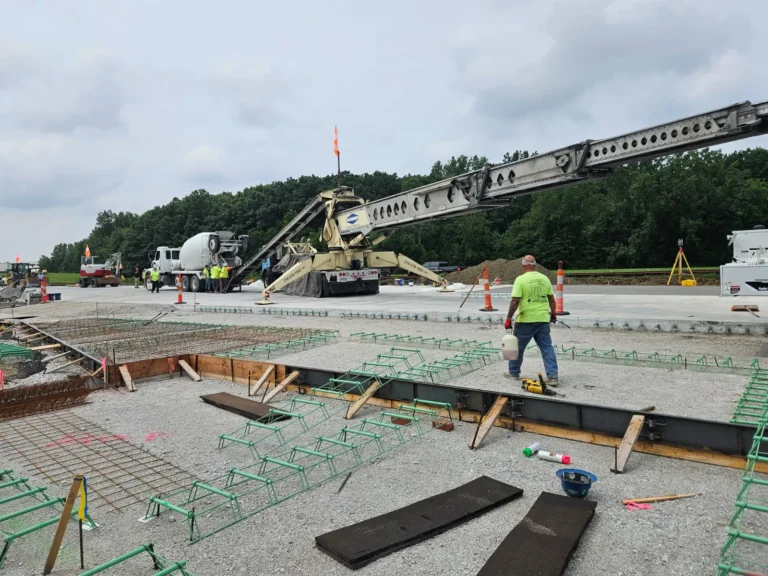
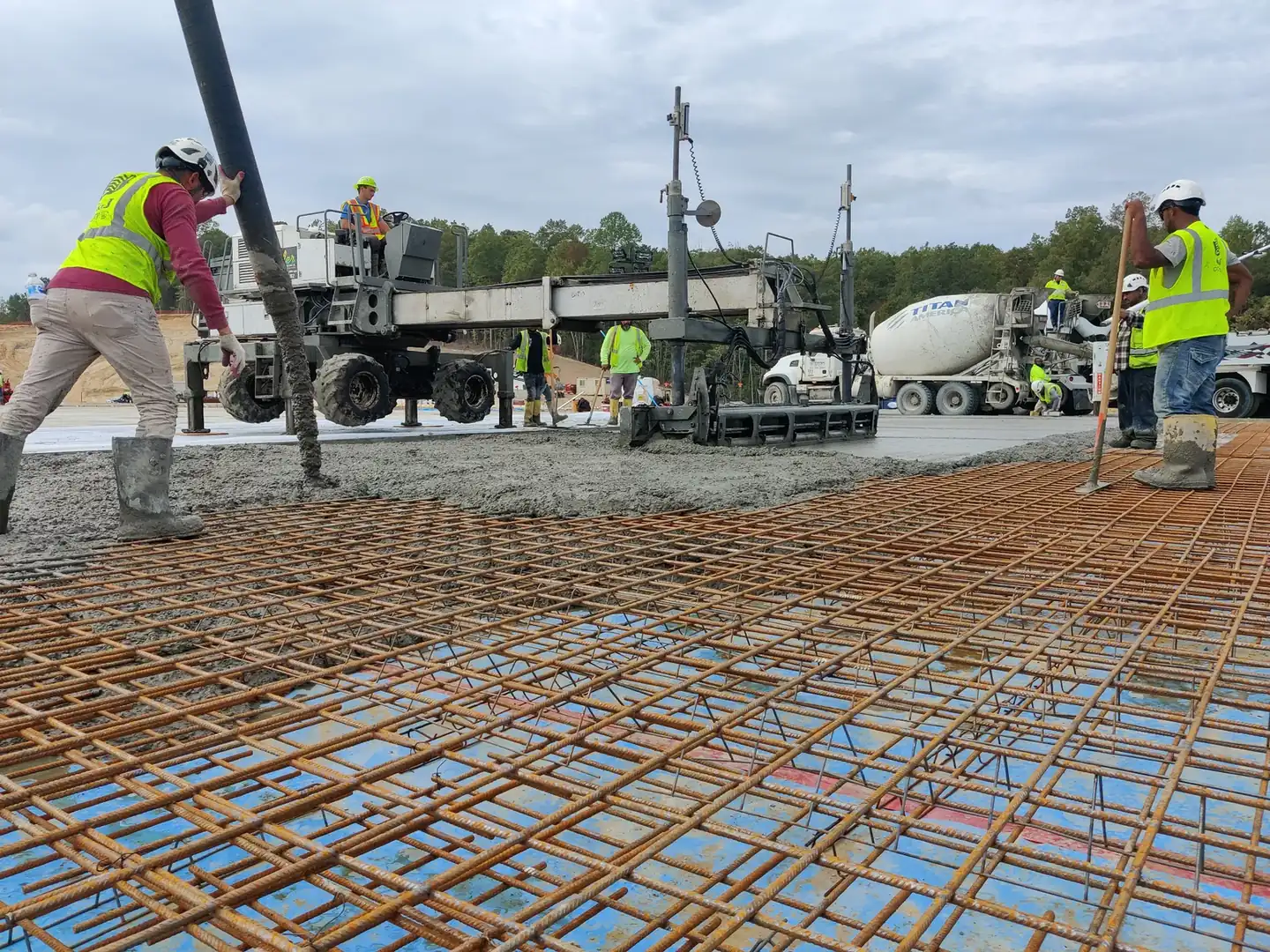
- Enough concrete cover. The depth of concrete over the steel is the main barrier. Codes set minimum cover by exposure; placing steel on chairs at the right height is how it is achieved in the field.
- Dense, low-permeability concrete. A lower water-cement ratio and good consolidation leave fewer paths for water and salt.
- Proper curing. A well-cured surface is far less permeable than one that dried out in its first days. See how long concrete takes to cure.
- Air entrainment for exterior work. Resists the freeze-thaw cracking that opens paths to the steel.
- Crack control. Joints in the right places and reinforcement that keeps cracks tight.
- Drainage and maintenance. Water that drains away and sealed joints keep the steel dry.
Where exposure is severe, such as parking decks that see heavy salt, designers can add protection: epoxy-coated or galvanized bars, corrosion-inhibiting admixtures, or surface sealers.
Signs of trouble
Rust staining on the surface, cracks running along the line of the bars, hollow-sounding areas when tapped, and spalled concrete exposing steel all point to corrosion. Caught early, these can be repaired by removing the damaged concrete, cleaning or replacing the steel and patching. Left alone, the damage spreads.
Plain concrete versus reinforced
Unreinforced concrete has no steel to rust, which is why some very old concrete structures have survived so long. But it cannot carry bending or tension, so it is limited to massive or compression-only uses. Reinforcement is what makes modern footings, walls, beams and slabs possible, and with good cover and good concrete it does not shorten the life of the structure. Our post on why concrete is reinforced explains the options.
Building to last
We place footings and foundations, poured walls and slabs with the steel set to the cover on the drawings and the concrete cured properly. Send your plans for a reply within 24 hours. The Concrete Reinforcing Steel Institute has more on corrosion protection for reinforcing steel.