Asphalt wins the bid. Concrete wins the twenty year cost. Here is where asphalt gives out first.
Loaded trailers rut it within a season.
Tight radius tears the surface apart.
Trailer landing gear punches straight through.
We are a concrete parking lot contractor working across Ohio, Indiana, Michigan, West Virginia and Pennsylvania. Commercial lots, truck courts, dock aprons and industrial pads, placed and finished by our own crews.
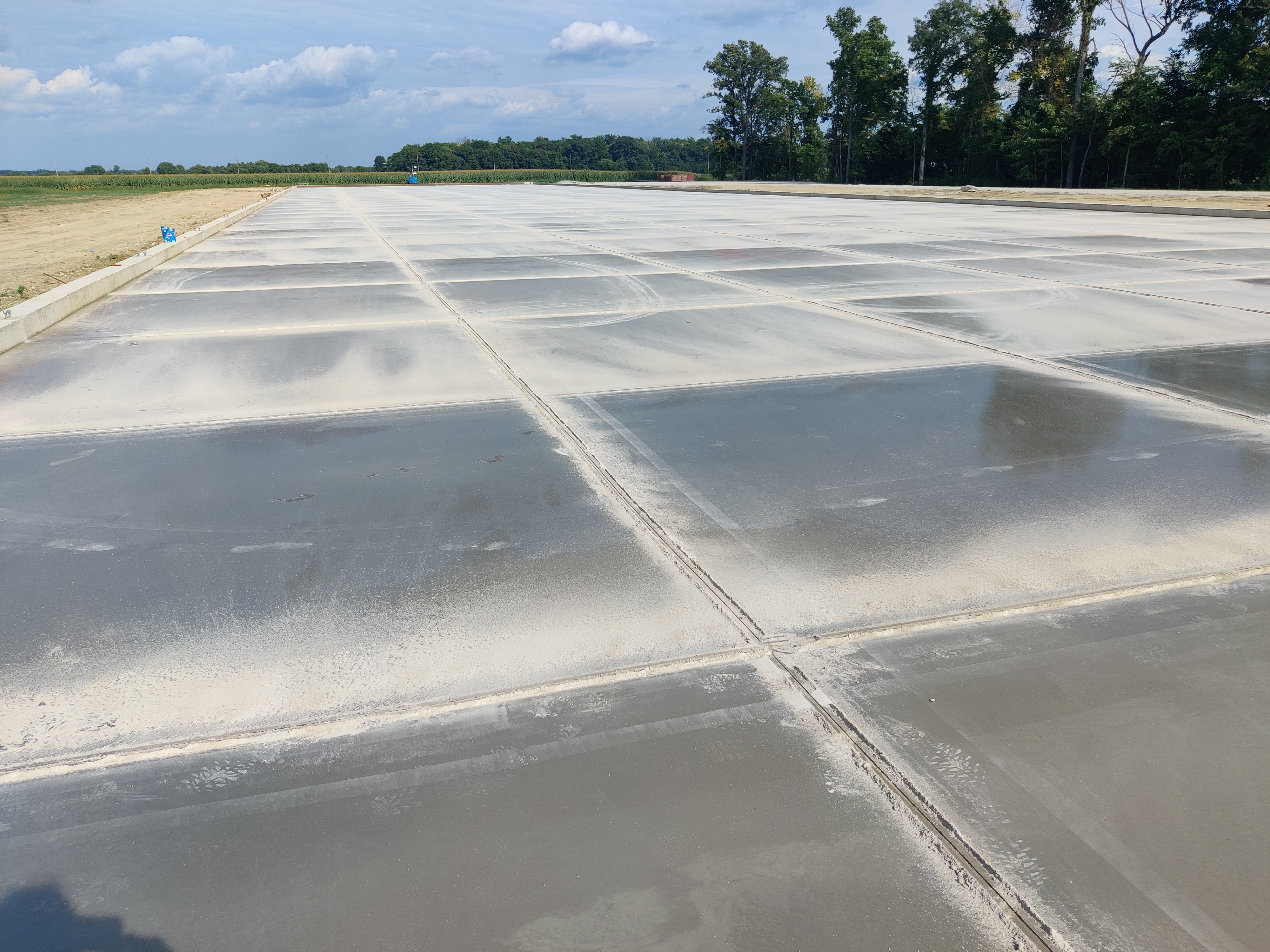
Forty thousand square feet placed in a single pour. Fewer joints, fewer failure points.
Asphalt costs less to install and more to own. It needs sealcoating every few years, crack filling in between, and a mill and overlay somewhere around year twelve to fifteen.
Concrete costs more up front and then largely stops asking for money. Joint sealant is the maintenance. On a commercial lot carrying loaded trucks, the life difference is commonly quoted as five to ten years for asphalt against twenty to thirty for concrete.
Where concrete wins hardest is the places that take punishment: dock approaches, truck courts, turning radii and trash enclosures. Some owners pave the drive lanes in asphalt and put concrete where the trailers actually work.
Subgrade through joint sealing, self-performed. One sub for the dirt, the concrete and the closeout.
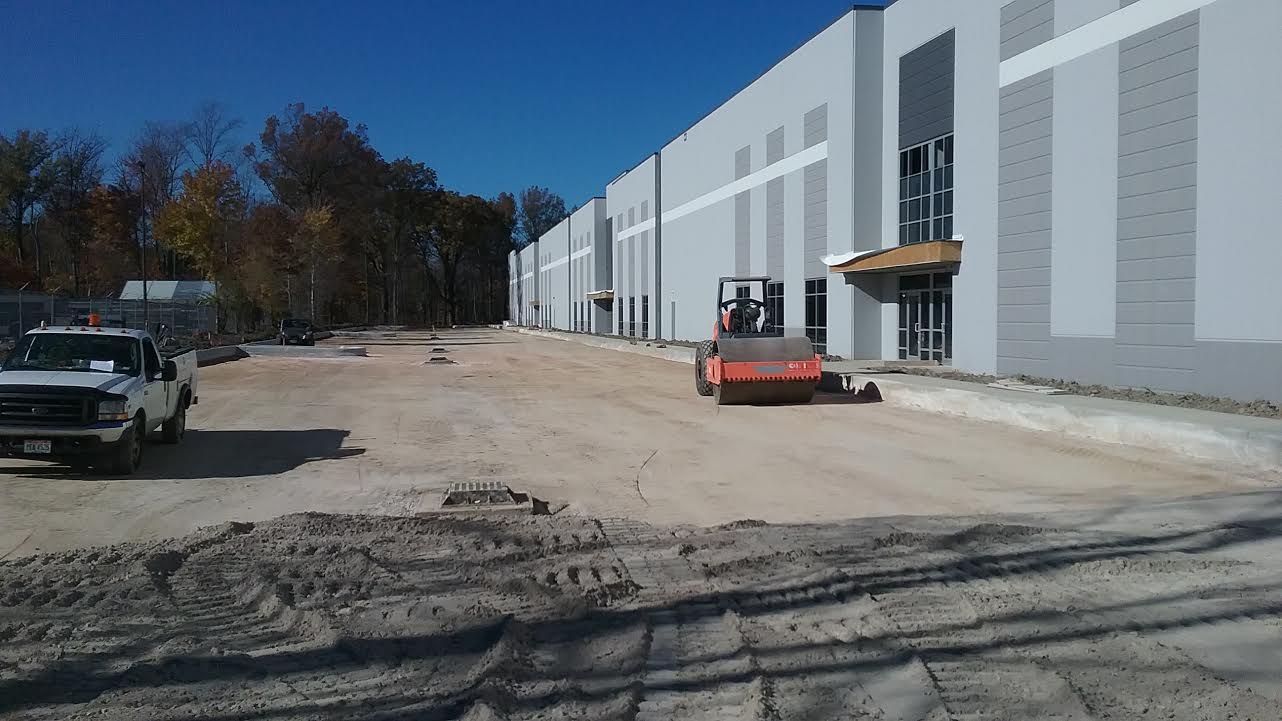
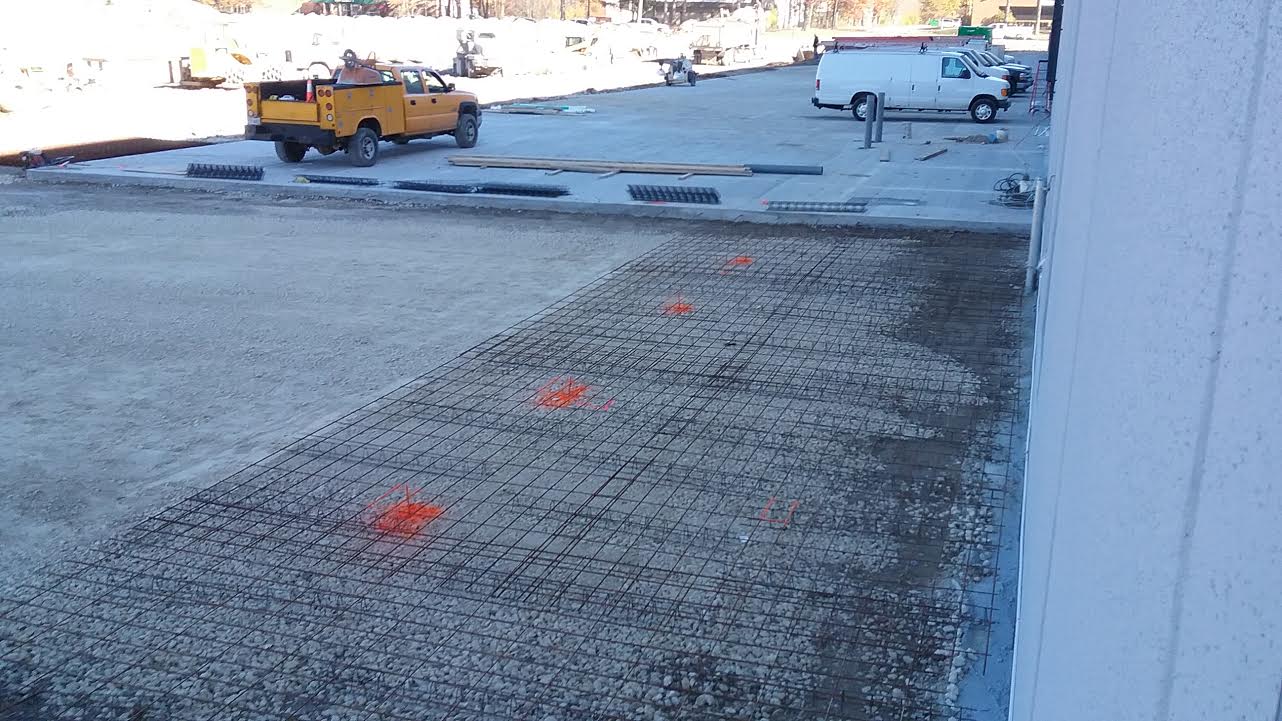
Full lot construction, from subgrade and stone through placement, finishing and jointing.
Heavy-duty slabs where loaded trailers stage, turn and back in.
Equipment pads, oil and gas pads, container and laydown areas built to the load spec.
Concrete aprons where asphalt lots meet docks and drive-through lanes.
Feed pads, equipment pads and rural commercial slabs across Holmes County and beyond.
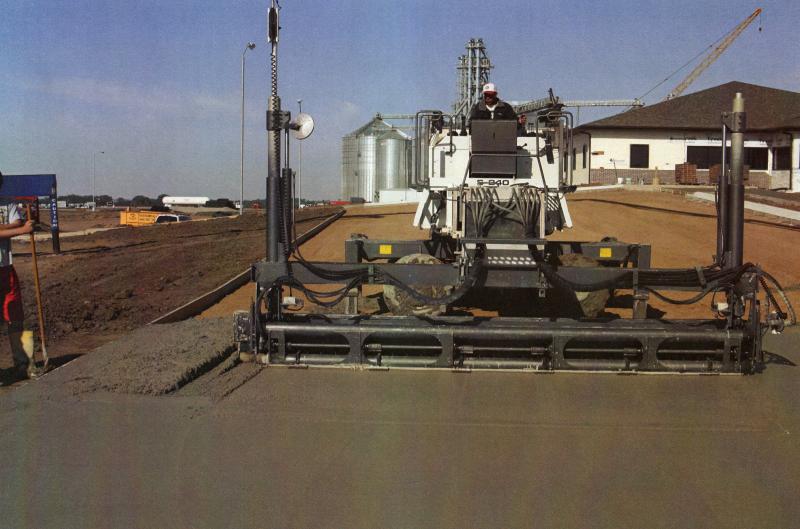
Tear-out and replacement of failed lots and pads, sequenced around an operating facility.
Three things decide whether a concrete lot lasts: the subgrade under it, the thickness and reinforcement for the load, and where the joints land.
Car parking and truck traffic are not the same slab. We build to the load the lot will actually carry, and we place the joints on a layout that controls where the concrete cracks rather than leaving it to chance.
The subgrade is ours as well, so the slab is not inheriting somebody else's compaction.
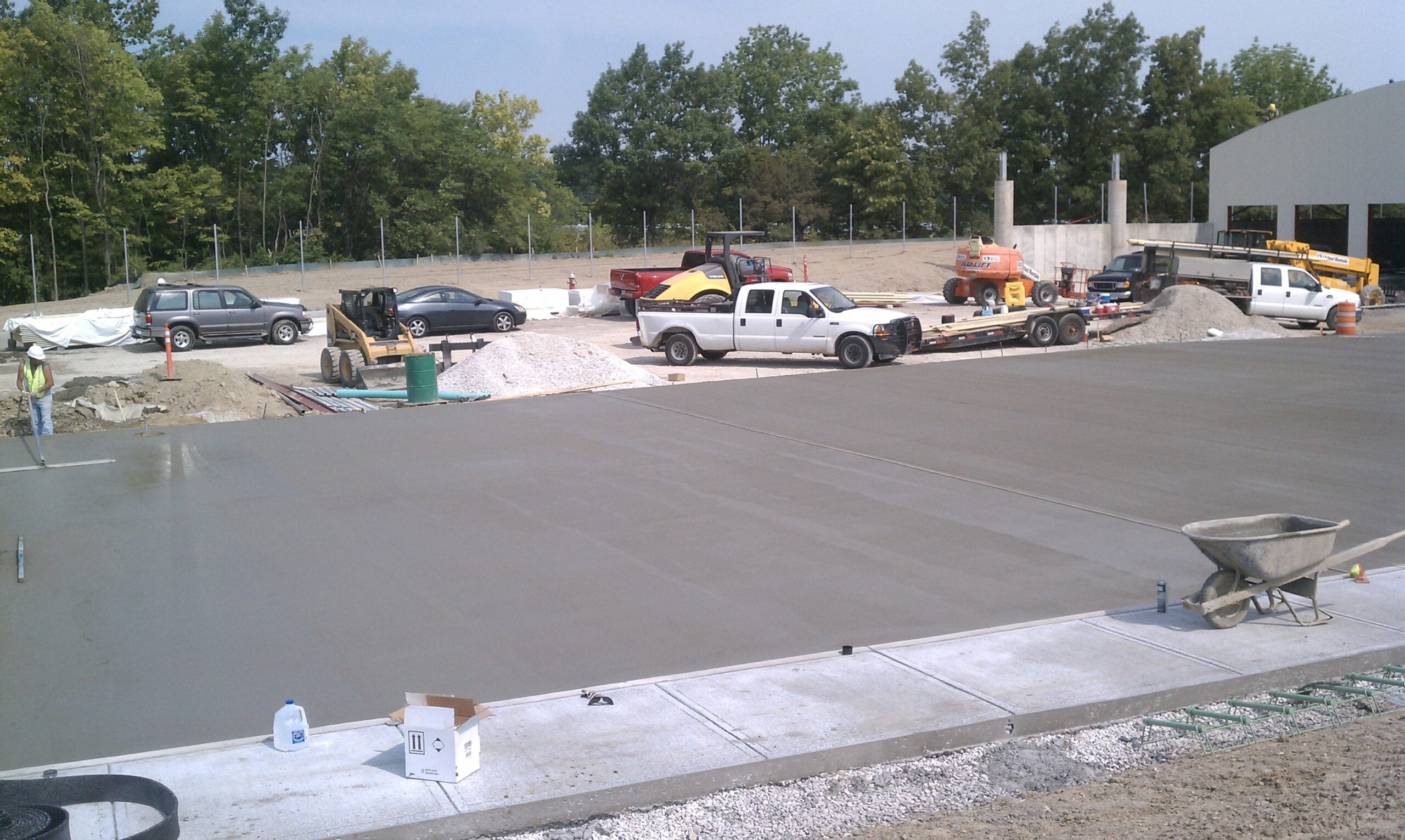
For a typical commercial lot, allow a few weeks from subgrade to opening, driven mostly by the size, the phasing and the cure. A lot that has to stay partly open takes longer than one we can close. We will give you a phased schedule with the bid.
On commercial lots carrying truck traffic, usually yes. Asphalt is cheaper to install and needs sealcoating every few years plus resurfacing around year twelve to fifteen. Concrete costs more up front and mostly needs joint sealant after that.
It depends on the load. Car parking and loaded trailer traffic call for different thickness and reinforcement, and the subgrade affects both. The geotech and the engineer govern, and we will flag anything in the detail that will not hold up.
Yes. We phase lots so a site stays open, and we have worked around active mining, oil and gas and manufacturing operations with dust and traffic controls in place.
Yes. Removal, subgrade repair and replacement, sequenced so the facility keeps running.
GCs, developers and project owners across Ohio, Indiana, Michigan, West Virginia and Pennsylvania.
(330) 231-3587
Estimating · Monday to Saturday, 8am to 5pm ET